
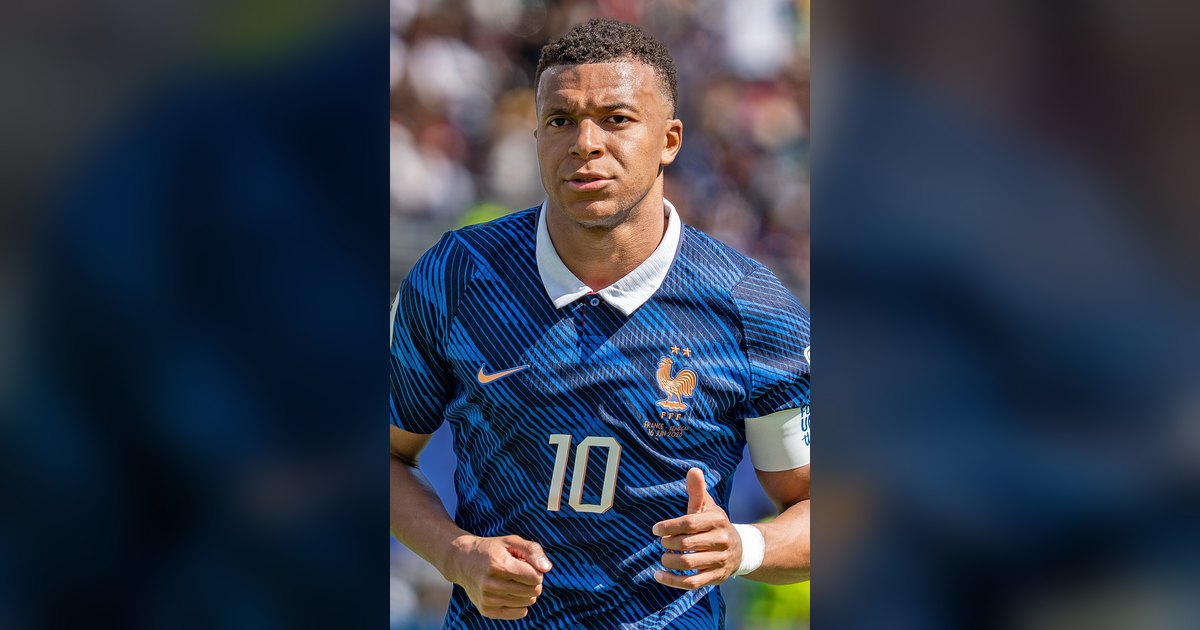
Mbappé Scored a Penalty. A Senator Answered With Racism.
Kylian Mbappé’s penalty knocked Paraguay out of the World Cup on July 4. Within hours a Paraguayan senator called him a “colonized Cameroonian” on X, French prosecutors opened an investigation into incitement to hatred, and FIFA reported that abusive posts aimed at players at the 2026 tournament had risen thirteenfold.
France beat Paraguay 1-0 in the round of 16 in Philadelphia on Saturday, July 4, its only goal a penalty converted by the captain, Kylian Mbappé. What followed was not a debate about the game. On X, a sitting Paraguayan senator turned the result into a racist attack on the player who scored it — and the post was seen, shared and amplified before any moderator intervened.
Within days the episode had drawn in the French Football Federation, President Emmanuel Macron, French prosecutors and the United Nations. It also landed in the middle of a tournament that FIFA’s own monitors say is producing record volumes of online abuse.
A penalty, then a post
The senator, Celeste Amarilla of Paraguay’s Liberal Radical Party, wrote a series of posts on X mocking Mbappé’s origins, upbringing, education and appearance. She described him as a “colonized Cameroonian, trying so hard to pretend to be French,” called him “bitter, new money, arrogant and ugly,” and said Paraguay’s players should have slapped him after the match, according to The Washington Post. In further posts she called him a “brute” who had not learned to write and likened him to animals, Al Jazeera reported.
Mbappé, one of the most recognizable footballers in the world, is French-born; his father is of Cameroonian heritage and his mother of Algerian descent. The senator’s posts drew immediate condemnation across France and beyond, and remained the focus of the tournament’s off-field coverage for days.
Condemnation, and a criminal inquiry
Mbappé responded publicly, calling Amarilla “a despicable woman” who was “unworthy” of her position and writing that, through her racism, the world had forgotten the efforts of Paraguay’s players at the World Cup, NBC News reported. Macron backed the captain on X, writing, “One more goal for Kylian Mbappé. This time against racism,” and offering his “full support.”
The French Football Federation called the remarks “utterly abhorrent” and “unacceptable” and said it would refer the matter to prosecutors, according to Al Jazeera. The Paris prosecutor’s office told The Associated Press that it had opened an investigation into aggravated public insult and incitement to hatred or violence after the federation filed a complaint with the national unit that combats online hate.
Amarilla did not retract the posts. In an open letter to Mbappé on social media, she said her dispute was with the player rather than with France and that she regretted using against him the same insults she had received as a mixed-race person, NBC News reported.
The United Nations weighs in
On July 7, the U.N. Human Rights Office in Geneva addressed the episode directly. Its spokesperson, Thameen Al-Kheetan, said the “racist and dehumanising remarks against French footballer Kylian Mbappé” were “despicable and, regrettably, not isolated,” and that reports of racist incidents at the 2026 World Cup reflected “a wider phenomenon across football and sports more broadly.” Public officials, the office said, carry a heightened responsibility to stand against racism and hate speech, and states and sports organizations “must actively work to prevent” it, according to the Office of the U.N. High Commissioner for Human Rights.
A tournament-wide surge
The abuse aimed at Mbappé was not an outlier. FIFA said its Social Media Protection Service identified some 89,000 abusive posts during the group stage of the 2026 World Cup — a thirteenfold increase on the equivalent stage of the 2022 tournament in Qatar — after scanning more than six million posts and comments, itself a roughly one-third rise, the governing body said. Racial abuse accounted for about 11 percent of the offensive messages it detected, a share FIFA described as a marked increase in the “most offensive material” directed at players.
FIFA said roughly 225,000 posts were flagged for human review during the group stage, that about 1,000 accounts were escalated for further investigation, and that more than 100 cases had met the legal thresholds to be prepared as files for law enforcement. The service also hid roughly 181,000 comments from team accounts, the body said.
Researchers who study platform abuse note a recurring pattern: a high-visibility moment — a missed penalty, a decisive goal, a contested call — acts as a trigger, and feeds ranked by engagement carry the most incendiary responses furthest and fastest. When the person amplifying the hate holds public office, as in the Mbappé case, the reach and the apparent licence both widen. The 2026 tournament has offered a steady supply of such flashpoints, and, by FIFA’s own count, a rising tide of abuse to match.