
A Fake Account, a Burned Quran, a Town in Ashes
In September 2012, an image desecrating the Quran was tagged to a fake Facebook account carrying a Buddhist man's name in Ramu, Bangladesh. Within hours mobs had burned Buddhist temples and homes — and the man accused had never posted it.
One image, one night
On the night of 29 September 2012, mobs moved through Ramu, a town in the Cox's Bazar district of southern Bangladesh, and attacked Buddhist temples, monasteries and houses. The violence spread over the following days to neighbouring areas, where Buddhist and Hindu sites were also targeted, according to the record compiled by Wikipedia from contemporaneous reporting.
The trigger was a photograph. An image depicting the desecration of the Quran had been tagged to the timeline of a Facebook account bearing a Buddhist man's name, Al Jazeera reported. As word of the image spread, crowds gathered and turned on the town's Buddhist minority.
The man who never posted it
The account carried the name of Uttam Kumar Barua, a 26-year-old Buddhist, according to Al Jazeera. His friends said he was innocent and that the images had merely been tagged to his name — a common occurrence on the platform — while he and his family went into hiding under police protection. The Facebook account was fake, and the man it named had not posted the image, according to the record assembled by Wikipedia.
The distinction did little to slow the crowds. Roughly 25,000 people took part in the wave of protests and attacks, Al Jazeera reported, at a moment of heightened tension across the Muslim world over an anti-Islam video circulating online.
What was left
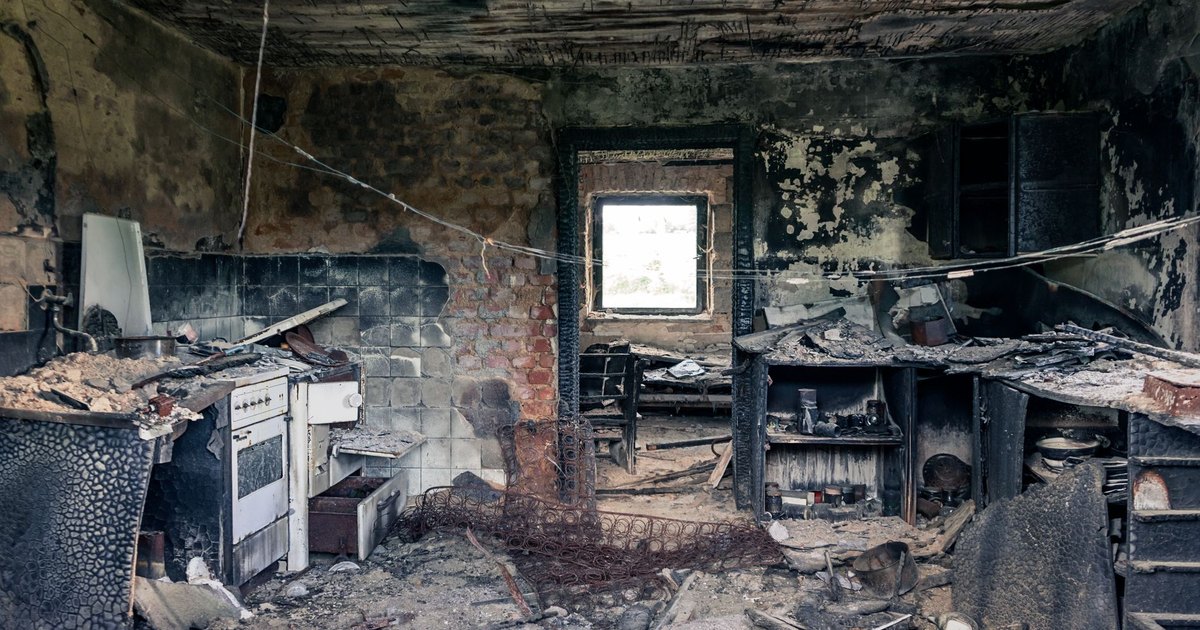
Ancient scriptures and artefacts were lost as at least a dozen temples in Ramu were destroyed, Al Jazeera reported from the scene. Across the wider violence the toll was higher: some two dozen Buddhist temples and monasteries and about 75 houses were destroyed, according to Wikipedia's compilation of the reporting, with more than 300 people later arrested.
“This is the worst violence in centuries,” Ajit Ranjan Barua of the Bangladesh Buddhist Association told Al Jazeera. Sogoton Barua, a temple caretaker who surveyed the ruins, told the same outlet: “We haven't lost faith. We will live in peace.”
A pattern, not an accident
The Ramu attacks have since become a reference point for researchers who study how a single piece of manipulated or falsely attributed content can move from a screen to a street. A fabricated post, hung on a real name, needed only hours and a receptive crowd to leave a town in ashes — a sequence documented in the reporting gathered by Wikipedia and in Al Jazeera's account from Ramu.