
Vaccine Lies Went Viral. Measles Came Back in Record Numbers.
By July 24, 2026, the United States had recorded 2,318 measles cases this year — already more than in all of 2025 — with five months still to run. Public-health officials say the resurgence is being driven by falling childhood vaccination and a wave of false claims about vaccines that has spread on social media.
The United States has logged 2,318 measles cases in 2026, surpassing the total for all of last year with five months of the calendar remaining, Al Jazeera reported on July 24, citing federal data. The 2025 tally of about 2,288 cases had itself been a modern high; 2026 has now beaten it before the school year begins, ABC News reported.
The resurgence of a disease the country once considered beaten is being fueled by falling childhood vaccination rates, misinformation and outbreaks concentrated among unvaccinated people, according to ABC News. The trend has coincided with what a former top federal health official has called the “rise of misinformation,” which she said had “cost lives,” CBS News reported.
A record broken with months to spare
Measles was declared eliminated in the United States a generation ago, meaning it was no longer spreading continuously within the country. That status has frayed. The 2,318 cases confirmed by July 24 mark the most in decades, Al Jazeera reported. In her resignation letter, Dr. Debra Houry, the former chief medical officer of the Centers for Disease Control and Prevention, described the toll as “the highest number of U.S. measles cases in 30 years,” according to CBS News.
The outbreaks have clustered among the unvaccinated, ABC News reported. Measles is among the most contagious diseases known to medicine, and the vaccine that prevents it has been in routine use for decades.
A vaccination rate in decline
The share of children entering school with protection has been slipping. About 92.5 percent of kindergartners received the measles, mumps and rubella vaccine during the 2024–2025 school year, down from 95.2 percent in 2019–2020, before the coronavirus pandemic, ABC News reported, citing C.D.C. data. Public-health officials say coverage of roughly 95 percent is needed to keep measles from circulating, and the recent figures have fallen below that threshold.
The erosion of confidence has tracked a rise in unverified or untrue claims about measles and vaccines spreading online and on social media, according to ABC News. Such content ranges from exaggerated warnings about vaccine side effects to false assertions that the shots are more dangerous than the disease they prevent — claims that public-health authorities say are contradicted by decades of safety data.
Doubt from the top
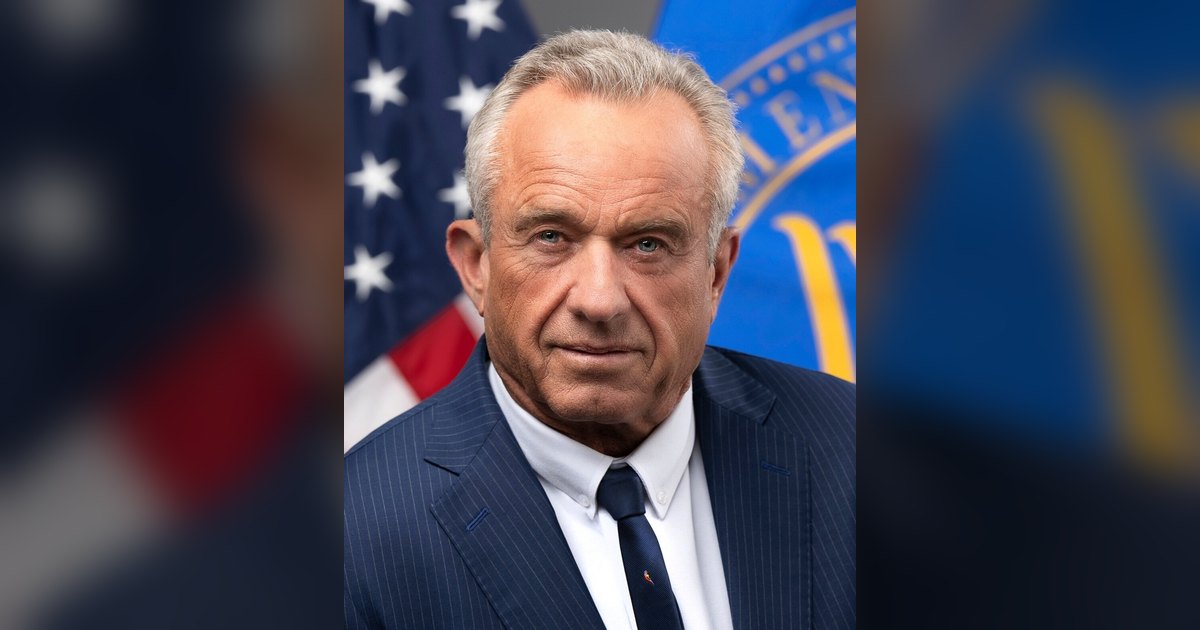
The falling numbers come as the federal government's own health leadership has amplified skepticism about vaccines. Robert F. Kennedy Jr., a longtime critic of vaccines who now serves as secretary of Health and Human Services, has drawn sharp criticism over the administration's handling of the outbreak. Dr. Houry told CBS News' “Face the Nation” that the department's response was “not based on science or reality,” the network reported.
“I think the secretary has caused a lot of irreparable harm,” Houry said, adding that public trust in the C.D.C. had “decreased dramatically” in recent polling, according to CBS News. In her resignation letter, she warned that the “overstating of risks” of vaccines, together with the spread of misinformation, had cost lives, CBS News reported.
Why a rumor becomes an outbreak
Researchers who study health misinformation describe a familiar sequence. False or distorted claims about vaccines circulate faster and further on engagement-driven feeds than the corrections that follow, seeding doubt that translates into missed appointments and unprotected children. When enough families in a community skip the shot, a single imported case can ignite an outbreak among the unvaccinated — the pattern reflected in the clusters driving this year's figures, as ABC News reported.
The 2026 case count converts an abstract debate about online falsehoods into a measurable public-health cost. With cases already past last year's record and the year not yet two-thirds gone, the resurgence stands as one of the clearest recent illustrations of a claim that once sounded rhetorical: that lies spread online can leave a body count, a warning echoed by the C.D.C.'s former chief medical officer.