
Three Dead in Nepal's Sectarian Clashes. The Prime Minister's Plea: Stop the Rumors Online.
Sectarian clashes over a Hindu procession left three people dead across southern Nepal in the last week of July 2026, and by week's end several towns were under indefinite curfew. Breaking a months-long public silence, Prime Minister Balendra Shah’s first major address urged Nepalis not to spread rumours, misinformation or hate speech on social media — and to trust only official word.
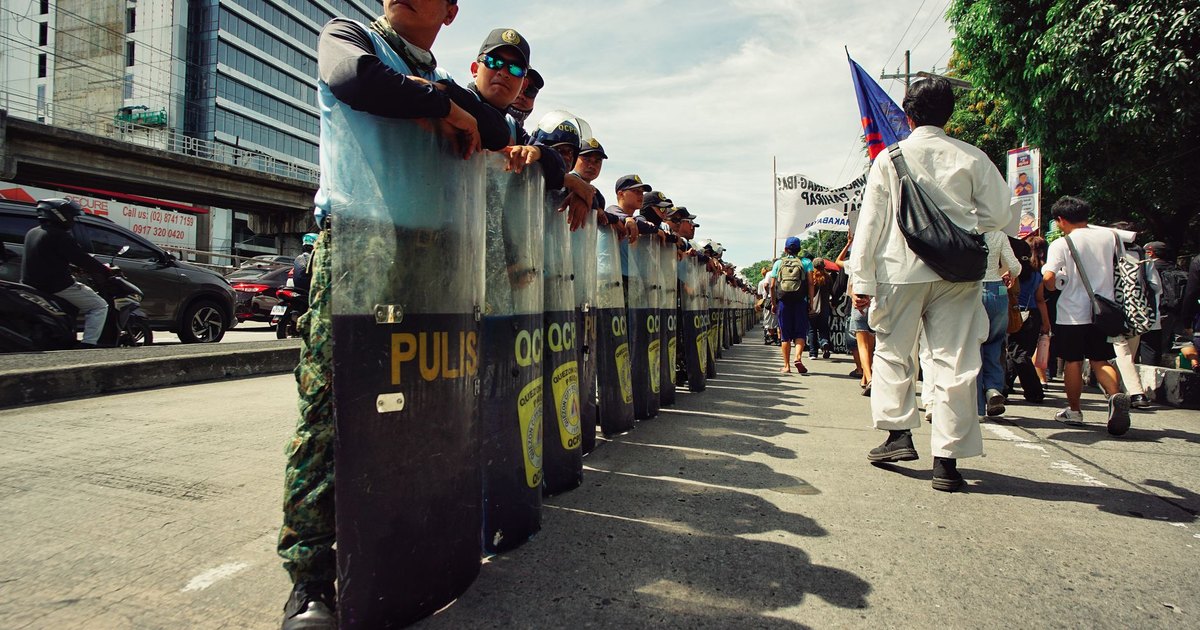
Days of sectarian clashes swept districts of southern Nepal in the last week of July 2026, leaving at least three people dead and prompting authorities to place several towns under an indefinite curfew, Al Jazeera reported.
The unrest began on July 26 in a village in Sunsari district, near the Indian border, after a dispute between Hindu and Muslim residents over loud music and religious flags during a Hindu procession, officials said. Police opened fire to disperse the crowd, killing two men; a third man died days later during a protest in neighbouring Siraha district, despite a curfew being in place, according to Al Jazeera.
A procession, a dispute, and days of clashes
The trigger, by the account officials gave, was mundane: the volume of music and the placement of religious flags as a Hindu procession moved through Sunsari, a district on the plains that border India. The exchange turned physical, drew crowds from both communities, and escalated over the following days into clashes that spread from town to town, Al Jazeera reported.
Two men were shot dead on the first night in Sunsari, and a third was killed on Thursday in Siraha as sporadic clashes continued. Authorities imposed curfews across Sunsari and neighbouring districts to keep the two sides apart, and the government said it would compensate the families of those killed and open an investigation, the broadcaster reported.
A prime minister's plea against the rumors
Prime Minister Balendra Shah, who had rarely appeared in public since taking office in March, broke his silence on Thursday with his first major address to the nation, urging citizens to act responsibly and help “remove the clouds of unrest,” Al Jazeera reported.
Much of that appeal was aimed at the feed. Shah urged the public not to spread rumours, misinformation or hate speech through social media or other platforms, and to rely only on information released by official government agencies, according to Al Jazeera. He promised a “completely fair and transparent” investigation and said those responsible would be brought to justice.
The plea reflects a pattern researchers and human-rights bodies have documented across South Asia and beyond: a local confrontation, filmed and reshared, is stripped of context and recast online as proof that one community is under attack, drawing in people who were never present and turning a contained dispute into days of communal violence. Governments that appeal to citizens to distrust the feed are, in effect, conceding how quickly it can outrun them.
A country where platforms have already shaken politics
The appeal to distrust social media carries a particular charge in Nepal. Less than a year earlier, in September 2025, a short-lived government ban on major platforms triggered youth-led protests in which at least 19 people were killed, forcing the authorities to reverse the ban, Al Jazeera reported.
Ten months on, the same platforms sit at the centre of a different crisis — no longer the target of the state, but the conduit that officials say carried the rumours and inflammatory claims beyond the site of the original clash. In both episodes the toll was counted in the same currency: not deleted posts, but people killed in the street, as Al Jazeera’s reporting on the unrest makes plain.