
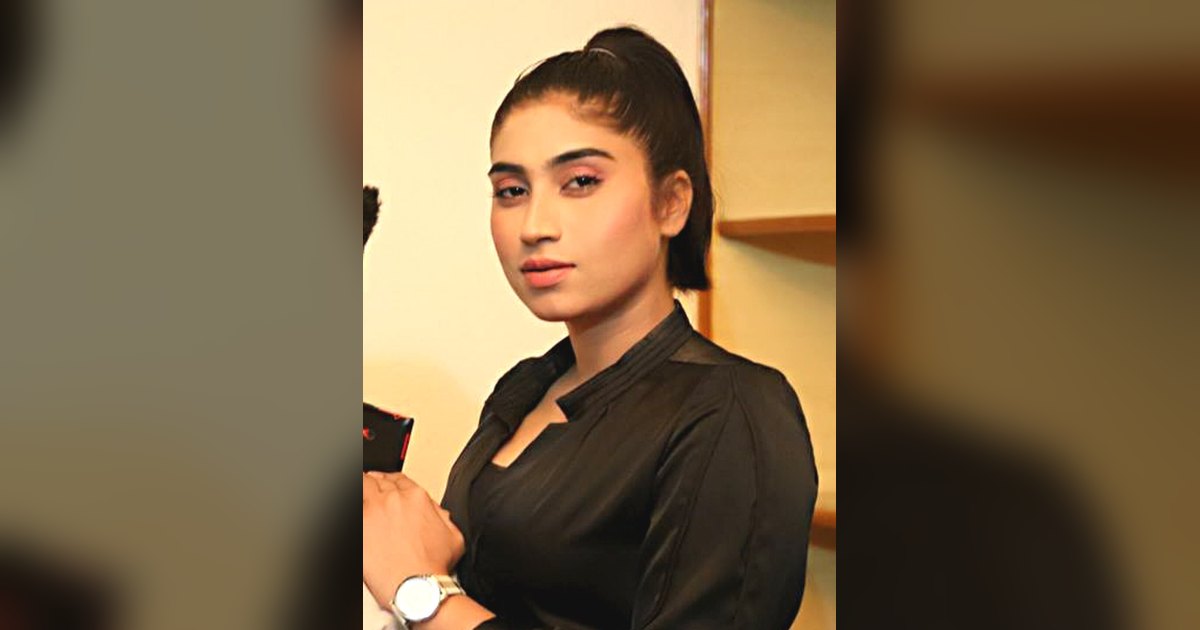
The Sister Strangled for Her Followers
Qandeel Baloch became one of Pakistan's first social-media celebrities by posting content that challenged conservative norms. In July 2016 her brother drugged and strangled her, telling reporters her online activity had dishonored the family.
Qandeel Baloch, whose given name was Fouzia Azeem, rose to prominence in Pakistan through videos and photographs she posted on social media, where she discussed her daily life, women's rights and other subjects that unsettled conservative audiences. By 2016 she had drawn a following of hundreds of thousands, including more than 740,000 followers on Facebook and roughly 123,000 on Instagram, according to The Hollywood Reporter.
She was killed on July 15, 2016, at her parents' home in Multan, in Pakistan's Punjab province. Her brother, Muhammad Waseem, was arrested days later and admitted to the killing. He was convicted in September 2019 and sentenced to life imprisonment, according to Al Jazeera. NPR and other news organizations reported the verdict as a rare conviction in an honor killing.
A killing its perpetrator called honor
At a news conference days after his arrest, Waseem said he had strangled his sister over her social-media activity and expressed no remorse. “Yes, of course I strangled her,” he said, adding that he had “no regrets” and that his sister's behaviour had been “completely intolerable,” according to Al Jazeera. His conviction rested in part on his own admissions.
Baloch's death drew heightened attention after a public dispute weeks earlier, when she posted photographs of herself with a well-known cleric. Five other people, including that cleric, were acquitted in the case, Al Jazeera reported.
A conviction that did not hold
In February 2022, an appeals court in Multan acquitted Waseem and ordered his release. His lawyer said he had been “fully acquitted,” according to Al Jazeera. The reversal came after Baloch's mother submitted a statement saying she had pardoned him. CNN reported that the release drew condemnation from women's-rights advocates, who described it as a setback for accountability in honor-killing cases.
A law written in her name
The killing intensified pressure on Pakistan's parliament, which in October 2016 passed legislation on crimes committed in the name of honor. The measure introduced a mandatory life sentence and sought to close a loophole that had allowed families to pardon the killer and secure an acquittal, according to Euronews, which reported that Baloch's murder was among the cases that prompted the reform. Rights groups have since noted that the law still permits judges to determine whether a killing was honor-related, a distinction that can affect whether a family pardon applies.
Baloch's case has continued to be cited by researchers and campaigners as an example of how a woman's visibility online can become the stated pretext for lethal violence, and of how conservative social norms can follow a person from the screen into her home.