
The Manfluencer in the Staffroom
Australian researchers who interviewed 30 women teachers found that boys are echoing “manosphere” figures such as Andrew Tate in the classroom. Teachers described a sharp, recent rise in misogyny and sexual harassment directed at women staff and girls.
Two researchers at Monash University in Melbourne set out to ask what teachers were seeing in Australian classrooms as a wave of online “manfluencers” gained young male audiences. Their study, drawing on interviews with 30 women teachers across public and private schools, described a marked and recent increase in sexism, misogyny and sexual harassment, and named the online figures students were quoting.
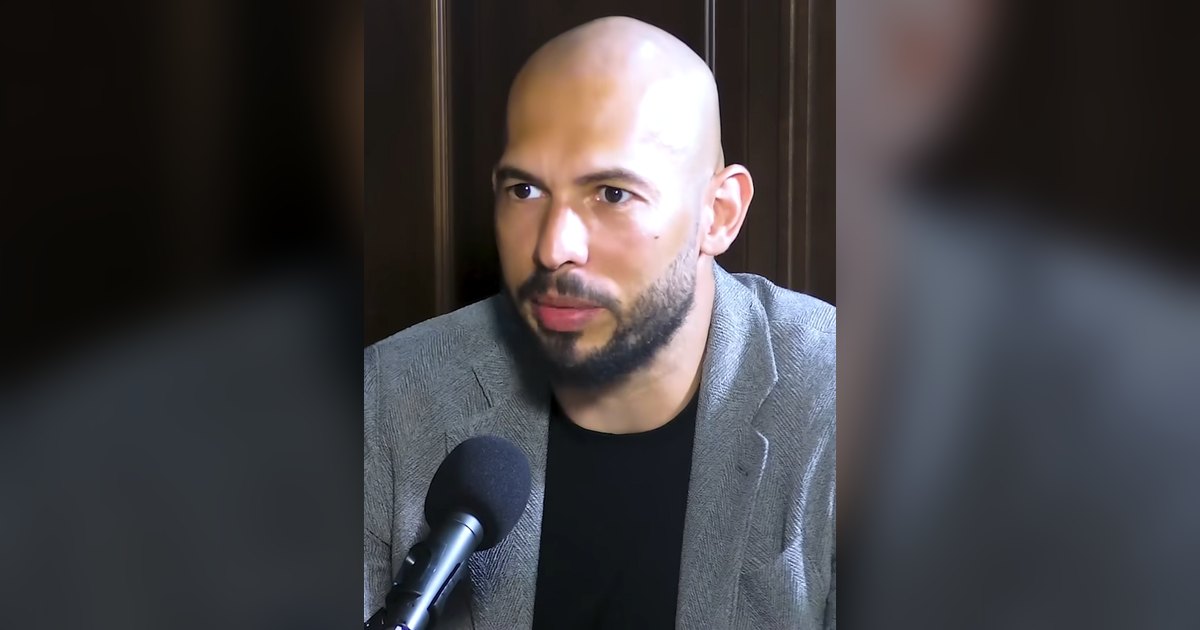
The most prominent was Andrew Tate, the self-described misogynist and social media personality who has faced criminal proceedings in Romania. Teachers reported that boys were repeating his talking points, setting his image as a screen background and using his rhetoric to challenge female staff, according to Al Jazeera, which reported on the research.
What the teachers described
Stephanie Wescott, the Monash lecturer who led the study, said the pattern was consistent across those interviewed. “Teachers uniformly observe that in the last two years boys' problematic behaviour has become significantly more pervasive, more perverse, more targeted, and more brazen,” she told SBS News.
She said the shift was also silencing girls. “Some teachers said girls have become really silent in their classrooms,” Wescott told SBS News. “They're afraid to speak because they will get admonished or shut down.” The teachers, she said, were interviewed for between 30 and 75 minutes each for the study.
An online culture, not a lone figure
Wescott and her co-author, Monash professor Steven Roberts, situate Tate within a broader “manosphere” — an overlapping set of online men's communities hostile to women and to feminism. Writing in The Conversation, they argued that such figures amplify misogyny that already exists rather than inventing it, and called for a national zero-tolerance response and consistent respectful-relationships education across schools.
They also reported that schools often avoided naming the problem, using words such as “disrespect” in place of “sexism” or “misogyny,” and that teachers who raised concerns did not always feel schools responded urgently, according to their account in The Conversation.
A regulator's warning
Australia's eSafety Commissioner, Julie Inman Grant, has flagged the same online material to parents. In an advisory on the manosphere, she said negative gendered narratives were reaching wider audiences: “Overwhelmingly, boys and young men are critical, savvy and resilient online users, but these negative gendered narratives are seeping into mainstream platforms and conversations,” she said, in comments reported by The Educator. She urged parents and carers to be “aware, informed and engaged, not alarmed.”
Researchers who study online misogyny point to a familiar dynamic: video feeds ranked by engagement tend to surface combative, provocative content, and material aimed at boys can carry them from fitness or self-improvement clips toward openly anti-women messaging. In schools, the study's authors argued, the result is showing up not as abstract opinion but as behaviour toward the women and girls in the room.