
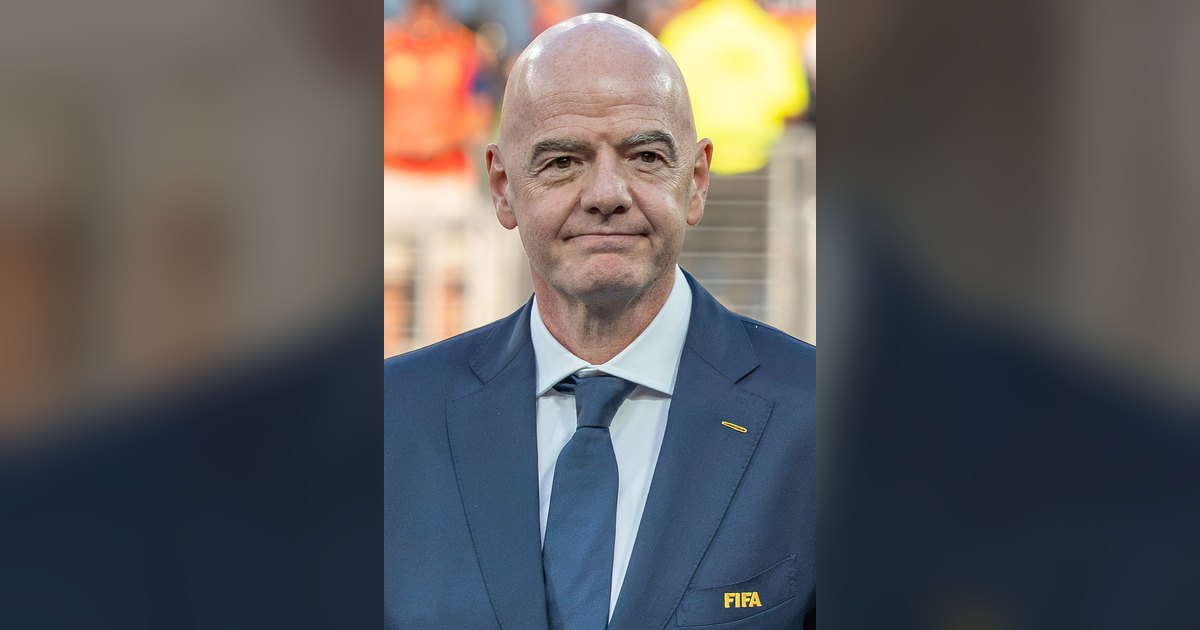
FIFA Flagged 7 Million Abusive Posts. Its President Called the Critics ‘Consumed by Hate.’
FIFA’s own anti-abuse system flagged more than 7 million abusive posts aimed at players and staff during the 2026 World Cup, about 14 times the total at the last tournament, the governing body said on July 18. Nine days later, FIFA president Gianni Infantino told the tournament’s critics they had been “consumed by hate.”
For the second time, FIFA deployed an artificial-intelligence system across the world’s biggest football tournament to intercept online abuse before it reached players. The totals it reported in July were far larger than at the previous edition — the product, FIFA said, of a bigger tournament and a wider flood of hostile posts.
Then, days after publishing those numbers, the sport’s most powerful official dismissed those raising concerns about the tournament as haters, describing the month of football as one without incident. The account offered by FIFA’s president sat awkwardly beside the abuse totals FIFA’s own monitors had just recorded.
The gap between the two — a record haul of abusive posts on one side, a claim of “zero incidents” on the other — is a study in how institutions can measure online toxicity and still decline to reckon with it.
A record haul of flagged posts
FIFA said its Social Media Protection Service detected and hid more than 7 million potentially abusive posts and comments during the 2026 World Cup, roughly 14 times the about 470,000 taken down at the 2022 tournament in Qatar, according to FIFA. In all, the service moderated more than 53 million posts and comments over the course of the tournament, the governing body said.
Human specialists reviewed more than half a million messages that the system had flagged as targeting players, coaches and officials, and FIFA said it reported more than 1,000 threats to authorities, including law enforcement, FIFA reported. The program, introduced before the 2022 World Cup with the global players’ union FIFPRO, automatically hides flagged content from the accounts it targets and refers the most serious material to platforms and police. The sharp rise, FIFA said, reflected both the expanded 48-team format and the wider reach of social media.
Much of it was racist
During the group stage alone, the service identified about 89,000 abusive posts, more than one in 10 of them racially motivated, FIFA said. Racist and discriminatory abuse of players has been a recurring feature of major tournaments, and players’ representatives say the volume is growing.
FIFPRO, which helped create the monitoring service, has described the abuse as a “growing pattern” and called for collective action by football authorities, governments and social-media companies, Al Jazeera reported. Individual players were again targeted after high-profile matches, echoing earlier tournaments in which missed penalties and defeats set off waves of racist messages.
Then the president called it hate
On July 26, days after the figures were published, Infantino posted a long message on Instagram — carried on FIFA’s official channels — describing the tournament as a success marked by “zero incidents, zero hostility, zero violence,” Al Jazeera reported. He accused critics of the World Cup of “spreading hate” and, addressing them directly, wrote that he was sorry they had been “so consumed by hate and criticism that you missed it all.”
The message drew criticism because it came from the head of the body whose own monitoring service had, days earlier, recorded millions of abusive posts and referred more than a thousand threats to police. The letter, which ran to several pages, celebrated the tournament’s “joy” and “togetherness” and did not mention those totals, according to Al Jazeera.
A shield, not a cure
The protection service works by detecting harmful messages with software and hiding them from targeted accounts before they are seen, then routing flagged posts to human reviewers and, where warranted, to platforms or the police, FIFA said. It does not remove the abuse at its source, and it operates only for the weeks of a single tournament.
Researchers who study online hate note that feeds ranked by engagement continue to reward the most inflammatory content, and that filtering aimed at protecting a few thousand athletes does little to change what the wider public sees. Players’ unions and rights advocates argue that durable change depends on the platforms and on binding accountability — not on a temporary shield switched on for a month, and switched off when the trophy is lifted.