From Feed to Fire in Northern Ireland
On July 11, a bonfire in Northern Ireland was topped with a replica mosque and the flags of four Muslim-majority countries — the latest flashpoint in a summer of anti-immigrant unrest that began with a June stabbing in Belfast. Police, politicians and rights groups say the violence was inflamed online, through circulated video, lists of immigrant addresses and amplification by figures including Elon Musk.
On the night of July 11, as loyalist communities across Northern Ireland lit the traditional Eleventh Night bonfires that precede the annual Twelfth of July parades, one pyre in the village of Moygashel, County Tyrone, was topped with a replica of a mosque and draped with the flags of Palestine, Syria, Sudan and Somalia. The structure also carried a mannequin and banners reading “Secure our borders” and “End the threat of radical Islam,” CNN reported. Police said they were treating the display as a hate-motivated crime and later charged a 56-year-old man with incitement to hatred; he denied the charge and was refused bail, according to Al Jazeera.
Amnesty International called the Moygashel display “a blatant attempt to stir up anti-Muslim hatred” and to intimidate local families, and said race-hate crime in Northern Ireland had reached its highest level since records began in 2004, as reported by CNN. The bonfire capped a summer in which anti-immigrant anger in the region — much of it organized and amplified on social media — had already spilled into days of rioting.
A stabbing, filmed and shared
The unrest began on June 8, when a 44-year-old man, Stephen Ogilvie, was stabbed on a Belfast street and seriously wounded, losing the sight in one eye. A 30-year-old Sudanese man who had sought asylum in the United Kingdom was charged with attempted murder, NBC News reported. Footage of the attack was filmed and circulated widely online, and within a day masked crowds had begun setting fire to homes and vehicles in predominantly ethnic-minority neighborhoods, according to CBS News.
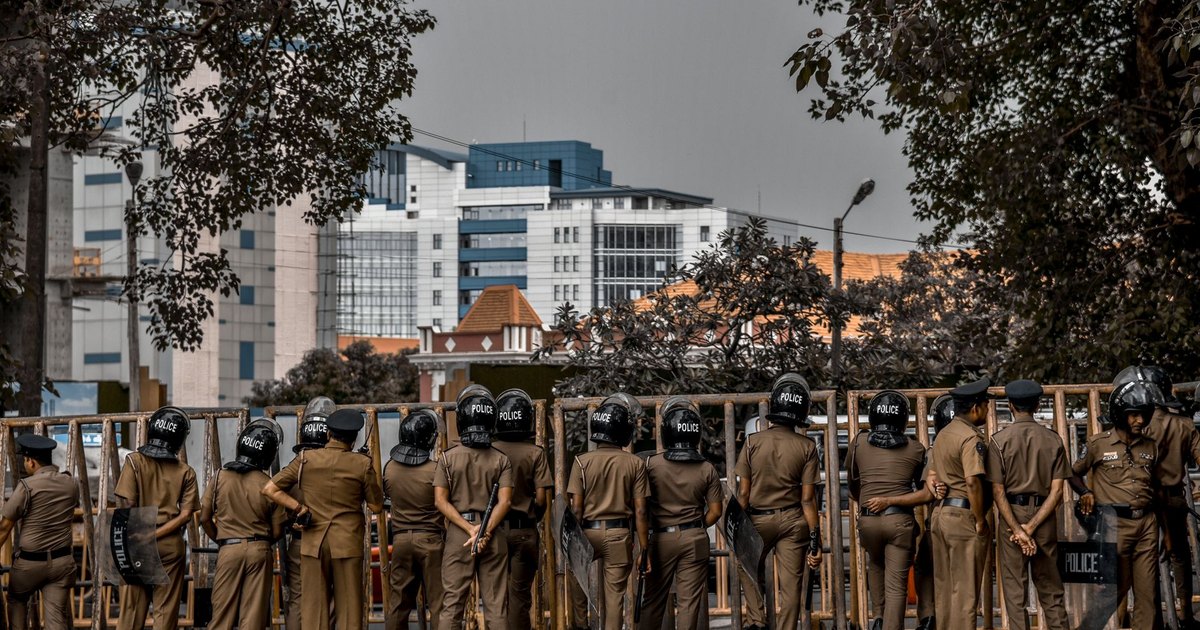
Over successive nights, the Police Service of Northern Ireland deployed water cannon against crowds who hurled objects at officers in Newtownabbey, north of Belfast, CNN reported. A government minister condemned what he called “racist thuggery” as the violence spread beyond the city, according to Al Jazeera.
Addresses shared in the night
As the violence escalated, lists of Belfast addresses said to be the homes of immigrants circulated on social media and messaging apps. People were left “extremely distressed” after their home addresses were shared online, the Police Service of Northern Ireland said, as reported by CBS News. One list, which CBS reported had been generated using artificial intelligence and ordered businesses in the city to close by 5:30 p.m., was shared by prominent far-right figures, CBS News reported.
The tactic — publishing where a targeted group is said to live — converts an online audience into a map for people willing to act offline. In Belfast, traders shuttered early and residents reported fear as the lists spread, part of what officials described as a coordinated effort to intimidate minority communities, according to Al Jazeera.
Amplified from the top
Among those amplifying the unrest online were the British anti-Islam activist known as Tommy Robinson and Elon Musk, the owner of X. Replying to a post from Robinson, Musk wrote, “Only by protesting REPEATEDLY and LOUDLY will there be any change,” NBC News reported.
Northern Ireland's first minister, Michelle O'Neill, condemned “the Elon Musks of this world,” whom she accused of “sitting right comfy in their homes, orchestrating hate and tension.” Musk, she said, had allowed young people's “mouths to become radicalised by the wild west he has created on X,” according to NBC News. Anna Turley, the chair of the United Kingdom's governing Labour Party, said online platforms were “playing a role in driving” the unrest and described Musk as one of the “bad faith actors” inflaming it, NBC News reported.
A pattern, and a record
Researchers who track the far right say the mobilization drew on established online networks. NPR reported that self-styled “active clubs” — decentralized, fitness-oriented fascist youth groups that recruit and coordinate online — were among the actors drawn to the unrest, and that far-right figures abroad had seized on the Northern Ireland riots to advance their own messaging, according to NPR.
The through-line — from the circulated video to the address lists to the burning mosque effigy — follows a now-familiar sequence that human-rights bodies have documented elsewhere: material that dehumanizes a group, amplified to a mass audience online, arriving before real-world violence against the people it names. Amnesty International's finding that hate crime in Northern Ireland now stands at a record high, reported by CNN, framed the summer's violence not as a series of isolated incidents but as the offline edge of a campaign that began on the feed.