
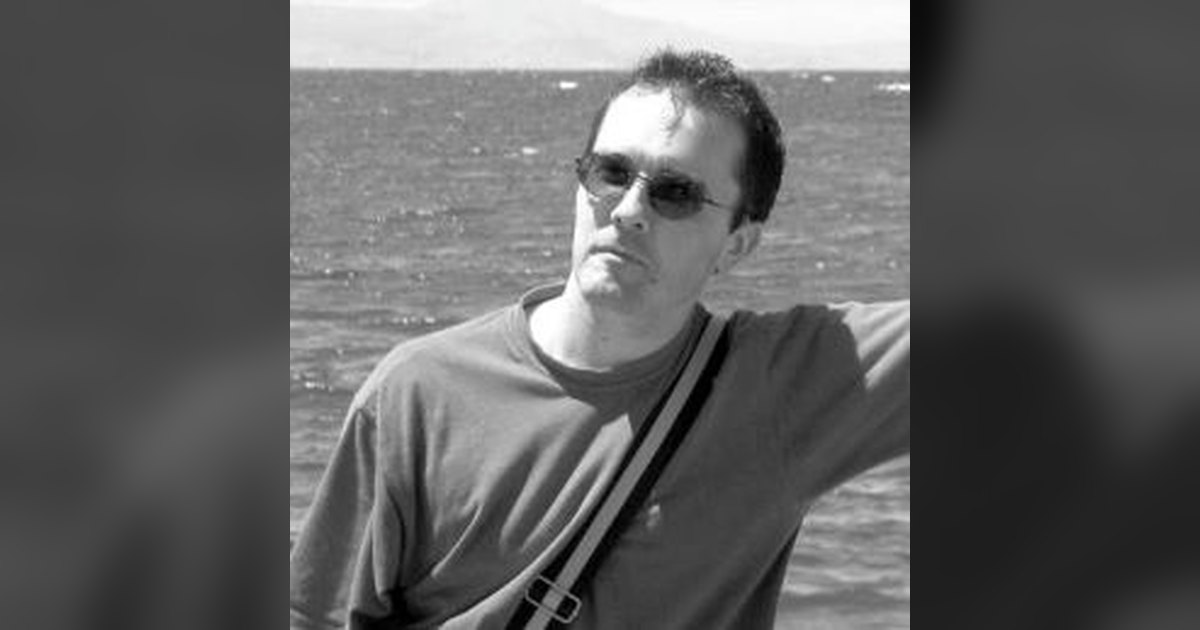
A Lie in Class That Ended in a Beheading
A pupil's false account of a French teacher's lesson on free expression spread across social media, carrying his name and the address of his school. Four years later, a Paris court convicted eight people over the online campaign that marked Samuel Paty as a target.
A lesson, then a false account
Samuel Paty, a 47-year-old teacher of history, geography and civics, was killed on 16 October 2020 near his school in the western suburbs of Paris, days after a lesson on freedom of expression in which he showed caricatures of the Prophet Muhammad, according to a chronology compiled by Wikipedia from court and news reporting. The class took place in early October at Collège Bois-d'Aulne in Conflans-Sainte-Honorine.
A 13-year-old pupil told her father that Paty had asked Muslim students to leave the room before showing the caricatures. She had never attended the lesson and had lied to her father, CBS News reported; she was later given an 18-month suspended sentence in a juvenile court. By then, the claim had already travelled far beyond the school.
The campaign online
The girl's father, Brahim Chnina, published videos falsely accusing Paty of disciplining his daughter, naming the teacher and identifying his school, according to Al Jazeera. CBS News reported that Chnina also sent messages to his contacts denouncing Paty, saying “this sick man” needed to be fired, along with the address of the school. Abdelhakim Sefrioui, a preacher who joined the campaign, filmed a video outside the school and referred to Paty as a “thug,” CBS News reported.
Within days, the material had reached Abdoullakh Anzorov, an 18-year-old of Chechen origin who had no connection to the school. He paid pupils to point Paty out to him, according to Wikipedia's account of the trial evidence, then killed the teacher in the street. Police fatally shot Anzorov as he advanced toward them, armed, CBS News reported.
The verdict
On 20 December 2024, a special assize court in Paris convicted eight people in connection with the killing, handing down terms ranging from one to 16 years, Al Jazeera reported. Chnina was sentenced to 13 years for association with a terrorist enterprise, and Sefrioui to 15 years for organizing an online hate campaign against Paty. Two men who had helped Anzorov, Naim Boudaoud and Azim Epsirkhanov, were each sentenced to 16 years for complicity in the murder.
The prosecution described the online campaign as the mechanism that made the killing possible. “By lighting thousands of fuses online, they knew that one of them would lead to… violence against the blasphemous teacher,” the prosecutor, Nicolas Braconnay, said, according to Al Jazeera.
A pattern investigators track
The case has become a reference point for researchers who study how false claims, once attached to a person's name and location, can move from a private grievance to a public target within days. The distance between an online accusation and physical harm, in the Paty case, was measured in a fortnight.