
A Cabinet Minister Quit X, Saying It ‘Isn’t Healthy for Democracy’
On July 2, 2026, Britain’s culture secretary, Lisa Nandy, quit Elon Musk’s X and pulled her department off the platform, saying it now “favours abuse and misinformation over meaningful debate.” She is the most senior figure in a widening British government retreat from a network that officials say helped inflame anti-immigrant riots weeks earlier.
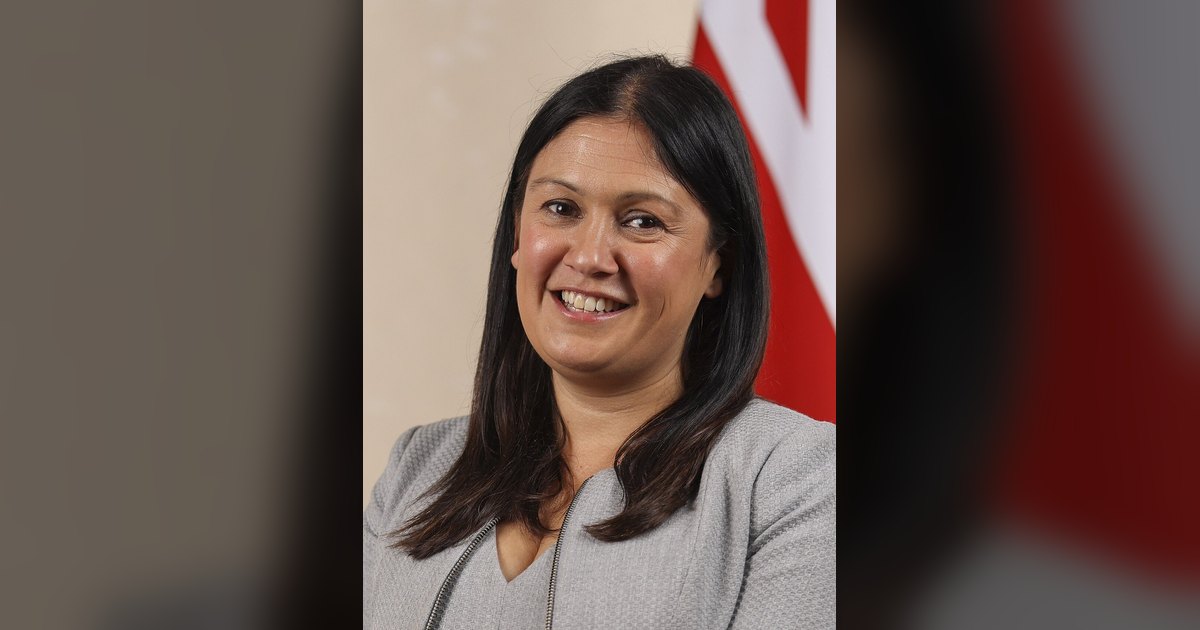
Lisa Nandy, Britain’s secretary of state for culture, media and sport, announced on July 2 that she was leaving X and taking her department with her. “I’ve decided to leave this platform and my department will too,” she wrote in a post reported by Al Jazeera. “A platform originally designed for free speech and expression now favours abuse and misinformation over meaningful debate. It isn’t healthy for our democracy or our communities and I don’t want to support it.”
Nandy said she would remain active on Facebook, Instagram and LinkedIn. Her departure made her one of the most senior members of Prime Minister Keir Starmer’s government to abandon the platform, which Musk bought in 2022 and renamed from Twitter, according to Al Jazeera.
A government starts to log off
The Department for Culture, Media and Sport became the second British government office to stop using X. The Attorney General’s Office had pulled off the platform the previous month, the first department to do so, Al Jazeera reported. Nandy’s move followed a string of earlier exits by institutions and news organizations since Musk’s takeover.
The withdrawals are symbolic rather than regulatory: the government has not moved to sanction the platform, and the prime minister has continued to use it. But they mark a rare public break by arms of the state with a network they increasingly describe as a driver of harm rather than debate, coming as X faces mounting political and legal pressure in Britain and the European Union over online safety and misinformation, Bloomberg reported.
The riots that came first
The exodus followed weeks of anti-immigrant unrest. In June 2026, rioting broke out in Belfast after a stabbing in the city for which a man was charged with attempted murder, with further disorder in Southampton, according to NBC News. Homes, vehicles and buses were set alight, and police helped families flee properties that were attacked.
Officials, police and rights groups said the violence had been mobilized and inflamed online. Attention centered on Musk himself: he reposted messages denouncing the state of the United Kingdom and, responding to the far-right activist Stephen Yaxley-Lennon, known as Tommy Robinson, wrote, “Only by protesting REPEATEDLY and LOUDLY will there be any change,” according to NBC News. Bloomberg reported that his amplification of the protests drew criticism as he prepared for a major SpaceX stock offering.
Musk pushes back
Musk rejected the criticism. After British politicians accused him of stoking the violence, he posted on X: “Murderous migrants beheading innocent people in their home town is what’s making people angry, not ‘social media’!” according to NBC News. The Labour Party chair, Anna Turley, had called his posts “appalling” and “grievously wrong and doing damage,” the same report said.
The dispute crystallizes a question governments have struggled to answer: what to do when a dominant platform’s owner is himself accused of amplifying the content that officials link to real-world violence. For now, two British departments have chosen the bluntest available response — to walk away — while the platform they left remains, for millions, the public square.